
 EN
EN
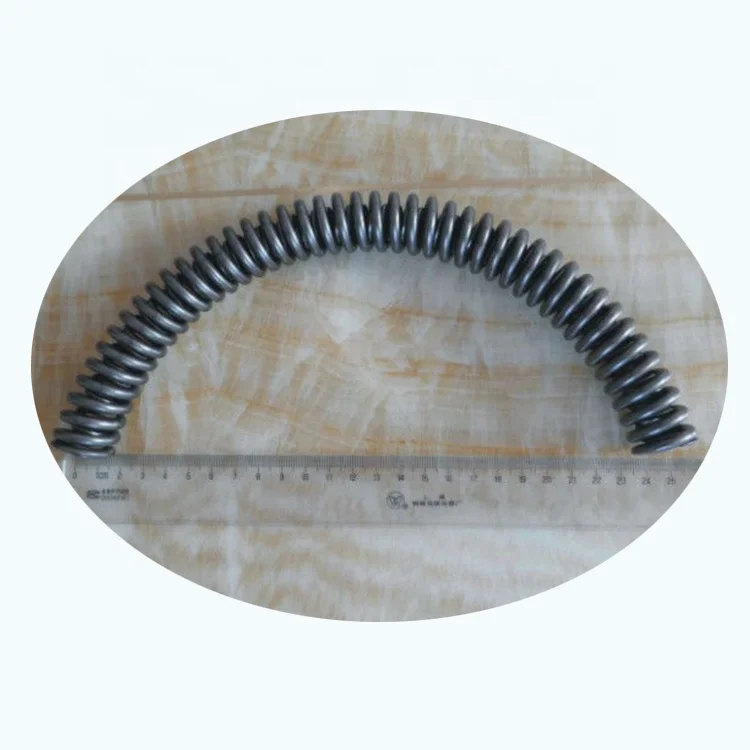
When you need springs for machines, you often have to choose between stainless steel and carbon steel compression springs. Both types of springs are used in many industries, like manufacturing, automotive, and electronics. HENP specializes in making high-quality compression springs that can meet your needs. It’s important to know the differences between stainless steel and carbon steel springs. Stainless steel springs resist rust and can handle moisture well, while carbon steel springs are often stronger and less expensive. Your choice will depend on where and how you plan to use the springs.
How to Choose the Right Material for Compression Springs
When picking the right material for your compression springs, think about what you need them for. If you need springs for a wet or humid place, stainless steel is usually the better choice because it won't rust easily. For example, if you’re using springs in a machine that will be exposed to water, stainless steel can keep working without breaking down. On the other hand, if the springs will be in a dry and safe environment, carbon steel could be a good option. Carbon steel springs are often stronger for heavy loads, making them perfect for machines that need a lot of strength. However, they can rust if they get wet, so it's important to keep them dry. When you choose the right material, think about cost too. Carbon steel springs might be cheaper, but they might not last as long in tough conditions. HENP can help you figure out which type of spring fits your needs best, considering where you will use them and what kind of performance you expect.
Common Problems with Carbon Steel Compression Springs in Industrial Applications
Carbon steel compression springs can have some common issues when used in industry. One big problem is that they can rust if they are exposed to moisture. This is a big deal because rust can make the springs weak, and they might break when you need them the most. For example, in a factory where machines have water or humidity, using carbon steel springs may not be the best choice. If they rust, it could stop production and cost a lot of money. Another issue is that carbon steel springs can lose their shape over time, especially if they are used in heavy-duty applications. They might not return to their original shape after being compressed, which can lead to problems in the machines they are part of. HENP understands these issues and can provide advice on how to prevent rust and shape loss. This way, you can keep your machinery running smoothly and avoid costly repairs. Choosing the right spring material is not just about the type; it’s also about understanding the environment in which they will be used.
What Are the Cost Benefits of Choosing Stainless Steel Compression Springs for Wholesale Buyers?
When it comes to buying compression springs for industry use, many buyers wonder if they should choose stainless steel or carbon steel. Stainless steel compression springs have some great cost benefits. First, they last longer than carbon steel springs. Stainless steel is more resistant to rust and corrosion. This means that buyers don’t have to replace them as often. For wholesale buyers, this can save a lot of money over time. Imagine buying a spring that lasts many years instead of one that needs to be replaced every few months. Also, because stainless steel springs are strong, they can handle heavy loads well. This means they perform better in tough conditions, reducing the risk of breakage and the cost of repairs.
Another cost benefit is that stainless steel springs often have lower maintenance costs. Because they do not rust easily, they do not need special care. For example, if a carbon steel spring gets wet, it might start to rust. This could mean spending money on cleaning or replacing the spring. With stainless steel, wholesale buyers can save on these extra costs. Moreover, if you are buying in bulk, many suppliers, like HENP, offer discounts. This makes it even more affordable to choose stainless steel over carbon steel. Overall, the long-lasting nature and low maintenance of stainless steel custom compression springs can lead to significant savings for wholesale buyers, making them a smart choice in the long run.
How Do Environmental Factors Affect the Performance of Compression Springs?
Environmental factors play a big role in how well compression springs work. These factors include things like temperature, humidity, and exposure to chemicals. Stainless steel compression springs are often better in harsh environments. For example, if a spring is used outside where it might rain or be very humid, stainless steel will not rust. This helps the spring keep its shape and strength over time. On the other hand, carbon steel springs are more likely to rust when they are exposed to moisture. This can weaken the spring and cause it to fail sooner than expected.
Temperature is another important factor. If it gets very hot or very cold, some materials can change. Stainless steel can handle temperature changes better than carbon steel. This means that in extreme weather, stainless steel springs will still work well. On the flip side, carbon steel springs might become brittle in the cold or lose strength in the heat. This can lead to problems in machines or tools that rely on these springs. Chemicals in the environment can also affect performance. If a spring is near strong chemicals, like acids or oils, stainless steel is more resistant to damage. This means it can last longer and perform better in these conditions.
For companies using compression springs, understanding these environmental factors is crucial. Choosing the right type of spring can prevent problems and reduce costs. HENP offers a variety of stainless steel springs that are designed to withstand tough environments. By picking the right material, companies can ensure that their equipment runs smoothly, saving time and money in the long run.
Common Misconceptions About Carbon Steel Compression Springs in Industrial Use
There are a lot of misconceptions about carbon steel compression springs in the industry. Some people think that carbon steel is just as good as stainless steel and that it can be used in any situation. However, this is not true. One common misconception is that carbon steel springs are cheaper and therefore a better deal. While they may have a lower upfront cost, they often need to be replaced more frequently. This means that in the long run, they can be more expensive. Buyers should consider not just the initial price but also how long the springs will last.
Another misconception is that carbon steel springs can handle heavy loads just as well as stainless steel springs. While carbon steel springs have strength, they do not perform well in wet or humid conditions. Over time, moisture can cause rust, which weakens the spring. This can lead to failures when the spring is under a lot of stress. On the other hand, stainless steel springs can handle heavy loads without the risk of rust. This is important in industrial use, where equipment needs to be reliable.
Some people also think that stainless steel compression springs are easier to find and more available than stainless steel springs. While this might be true to some extent, many suppliers, like HENP, offer a wide range of stainless steel options. Buyers should not be afraid to look for stainless steel springs that meet their needs. In industrial use, it’s essential to choose the right material for the job. Misunderstandings about carbon steel can lead to poor choices. Understanding the differences between these materials can help buyers make informed decisions, ensuring that their equipment runs smoothly and efficiently.
Table of Contents
- How to Choose the Right Material for Compression Springs
- Common Problems with Carbon Steel Compression Springs in Industrial Applications
- What Are the Cost Benefits of Choosing Stainless Steel Compression Springs for Wholesale Buyers?
- How Do Environmental Factors Affect the Performance of Compression Springs?
- Common Misconceptions About Carbon Steel Compression Springs in Industrial Use