
 EN
EN
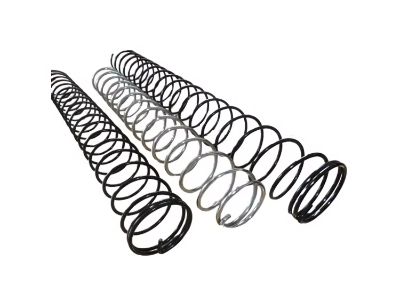
Essential Performance Test Standards for Heavy Duty Springs in Engineering Applications
Heavy-duty springs are important components used in many machines and industrial applications. They help absorb shock, support weight, and keep equipment operating smoothly. When discussing heavy-duty springs, it is important to understand how well they perform. Performance testing helps determine whether the springs can handle heavy loads and maintain long-term reliability. At HENP, we focus on manufacturing high-quality extension springs, torsion springs, constant force springs, and wire forming products that are strong, durable, and dependable. Our springs are widely used in construction equipment, industrial machinery, and other engineering applications where safety and performance are essential.
What Are the Essential Performance Test Standards for Heavy Duty Springs?
When testing heavy-duty springs, several important performance standards must be evaluated. The first is load capacity, which measures how much weight a spring can safely support without failure. For example, a spring used in construction equipment must withstand heavy loads while maintaining consistent performance. Another critical test is the fatigue test. This evaluates how well a spring performs after repeated compression or extension over thousands or even millions of cycles.
A spring with excellent fatigue resistance provides a longer service life and reduces maintenance costs. The deflection test measures how much a spring compresses or stretches under a specific load. A high-quality spring should return to its original shape after the load is removed without permanent deformation. Environmental testing is equally important. large heavy duty springs often operate in harsh environments involving extreme temperatures, moisture, dust, or corrosive chemicals. These tests verify that the springs maintain their mechanical properties under demanding conditions. At HENP, every compression spring, extension spring, torsion spring, constant force spring, and wire forming component undergoes strict quality inspections and performance testing to ensure maximum reliability, safety, and durability.
How to Choose the Right Heavy Duty Springs for Engineering Applications?
Selecting the right heavy-duty spring requires careful consideration. The first step is determining the load requirements. Every application requires a spring with sufficient strength to support the intended weight without failure. The spring dimensions are equally important. Proper sizing ensures the spring fits correctly within the equipment and delivers the required performance. An incorrectly sized spring may reduce efficiency or cause premature failure. Material selection also plays a significant role.
Stainless steel springs provide excellent corrosion resistance in wet environments, while other alloy materials are designed to withstand high temperatures or heavy industrial conditions. Engineers should also consider how frequently the heavy duty spring clips will be used. Equipment operating continuously requires springs with excellent fatigue resistance, while occasional-use machinery may have different performance requirements. Purchasing from a trusted manufacturer like HENP ensures consistent quality, reliable engineering support, and products that meet industry performance standards. Our complete range of compression springs, extension springs, torsion springs, constant force springs, and wire forming solutions is designed to meet the demands of various engineering applications.
How Do Performance Standards Impact the Longevity of Heavy Duty Springs?
Performance standards directly influence the service life of heavy-duty springs. These standards define how much stress a spring can safely withstand while maintaining consistent performance over time. When springs meet strict engineering standards, they resist fatigue, maintain their original shape, and continue operating efficiently throughout their expected lifespan. For example, a spring rated to support 500 pounds but consistently used under a 400-pound load will typically last much longer because it operates below its maximum capacity.
At HENP, every spring is designed and tested to meet demanding performance requirements. Our compression springs, extension springs, torsion springs, constant force heavy duty spring and wire forming products are evaluated for strength, flexibility, durability, and long-term reliability. Using springs that comply with performance standards helps reduce equipment failures, lower maintenance costs, and improve operational safety. This is especially important in heavy machinery, construction equipment, and industrial systems where dependable performance is critical.
Where Can You Source Heavy Duty Springs with Proven Performance Metrics?
Finding reliable heavy-duty springs begins with choosing a manufacturer that provides proven quality and performance data. A trusted supplier should offer testing reports, engineering specifications, and documented quality control procedures. HENP manufactures high-performance compression springs, extension springs, torsion springs, constant force springs, and wire forming products that are thoroughly tested for load capacity, fatigue resistance, durability, and environmental performance. Customers can review product specifications, request technical support, and obtain detailed information to ensure the correct spring is selected for each application. Many businesses also benefit from requesting samples to evaluate product quality before placing large production orders. Working with a reliable manufacturer helps ensure consistent product performance, improved equipment reliability, and long-term operational efficiency.
How to Troubleshoot Common Problems in Heavy Duty Spring Applications?
Although heavy-duty springs are designed for durability, they may eventually experience wear due to continuous use. Regular inspection helps identify problems before they affect equipment performance. One common issue is fatigue, where repeated compression or extension gradually reduces the spring's strength. Signs include reduced load capacity, permanent deformation, or visible cracks. Replacing worn springs promptly helps prevent equipment failure. Incorrect spring sizing is another common problem. A spring that is too small may become overloaded, while an oversized spring may not function efficiently within the equipment. Selecting the proper compression spring, extension spring, torsion spring, or constant force spring according to application requirements is essential.
Routine maintenance should also include checking for corrosion, surface damage, or excessive wear. Springs operating in harsh environments may require corrosion-resistant materials or protective coatings. If technical assistance is needed, HENP provides expert support to help customers select the right spring and resolve application challenges. Our complete range of compression springs, extension springs, torsion springs, constant force springs and wire forming solutions is engineered to deliver reliable performance across demanding industrial applications.
Table of Contents
- Essential Performance Test Standards for Heavy Duty Springs in Engineering Applications
- What Are the Essential Performance Test Standards for Heavy Duty Springs?
- How to Choose the Right Heavy Duty Springs for Engineering Applications?
- How Do Performance Standards Impact the Longevity of Heavy Duty Springs?
- Where Can You Source Heavy Duty Springs with Proven Performance Metrics?
- How to Troubleshoot Common Problems in Heavy Duty Spring Applications?