
 EN
EN
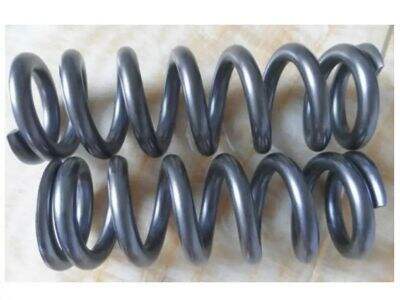
Generally speaking, springs can be divided into extension springs and compression springs. Both are employed to make machines and tools work better by applying a force. Knowing the different between these two types of springs can help you decide which one will work best for your project. That's where HENP comes in! We're experts at designing springs that work for you. Let’s dig in and get familiar with what makes these springs special and how to make a decision about which one to use for your linear force application.
Introduction
Extension springs are meant to pull and stretch. They work by being stretched apart, and when you take away the force, they want to return back to their original shape. Picture a rubber band: You can stretch it to be very long, but when you let go, it snaps back to its usual size. This is the way extension springs work. They’re common in things like garage doors because they help lift the door, drawing it upward.
Benefits
Although extension and snowmobile exhaust springs provide a needed useful function they can have certain problems if the operation is not correct. Common extension spring problems Over stretching. If you stretch an extension spring too much, it can break or take on a set that keeps it from snapping back. In devices, that’s a big problem if you spring something too much or too quickly.
Quality
When you are selecting the best spring for your specific needs, it is important to know whether you require an extension or compression spring. An extension spring pulls things in or together a compression spring holds them apart. It is not immediately obvious which type is ideal for your project start by deciding the direction of force that you require. If you’re trying to pull two parts together, then the extension spring is the right tool for the job. When these titanium fork springs are pulled, they stretch and store energy.
Application
When we consider the performance of stainless steel exhaust springs are a few elements to examine. One important element is the spring material. Springs can be created from various metals and alloys, all with their own strength and flexibility. For instance, steel springs are strong and can tolerate a lot of pressure while stainless steel springs have more resistance to rust, making them well-suited for wet environments. Also the size of the spring is very important.
Conclusion
In order to get the best return on your springs, you want to ensure that you have chosen a spring which is right for your application. Begin by articulating exactly what you want your spring to do. If you already have some idea of the force that is required and the amount of room you can dedicate, it will greatly help in selecting a spring. Once you have that measurement, you can compare different springs to identify the best fit. HENP provides comprehensive coverage of each type of spring, allowing you to select the most suitable options.